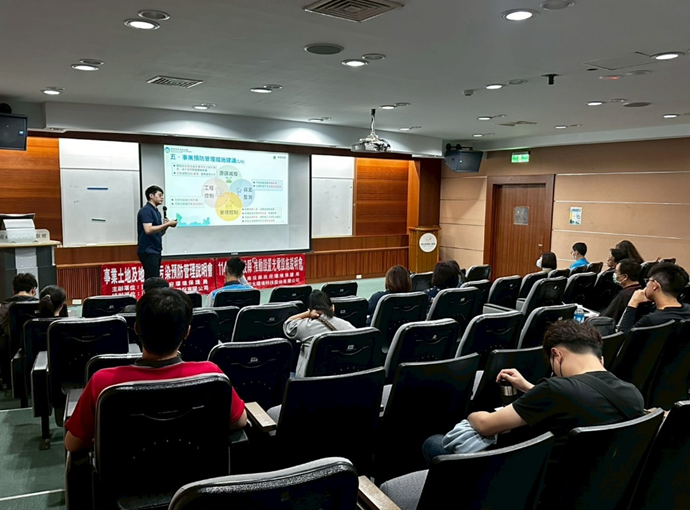
In response to the challenges of climate change and sustainable development, the Environmental Protection Bureau, Nantou County Government (the Bureau) continues to actively conduct soil pollution investigation and verification in accordance with the Soil and Groundwater Pollution Remediation Act (hereinafter referred to as the Act) to protect public health and ensure the safe use of land within the county. These efforts focus on accurately assessing suspected contaminated sites and high-risk land, enabling the Bureau to promptly identify contamination, prevent its spread, and safeguard the sustainable use of land resources and environmental safety.
Under Articles 7 and 11 of the Act, local competent authorities may initiate pollution verification investigations based on operational needs or upon receiving reports of suspected contamination. The Bureau explained that the primary purpose of these investigations is to determine whether land has been contaminated and to provide the scientific basis for initiating pollution control or remediation procedures in accordance with the law.
The investigation and verification process consists of three main steps:
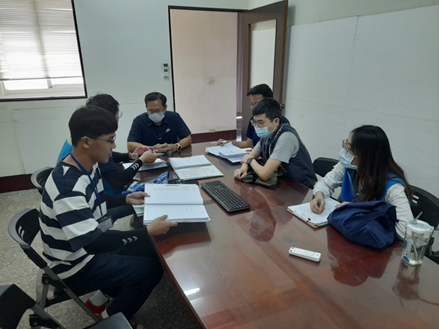
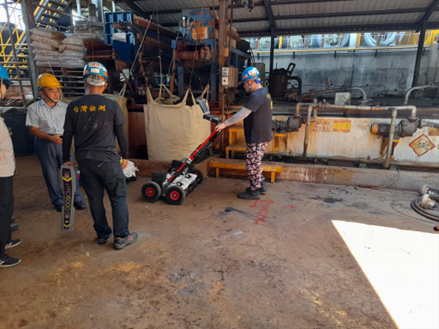
- Site Investigation and Background Review: Review the land-use history, nearby industrial activities, and potential sources of contamination.
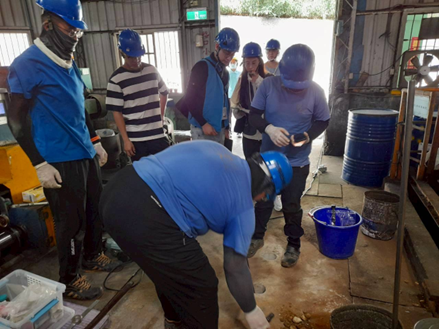
- Sampling and Laboratory Analysis: Collect soil samples in strict accordance with the standard methods published by the National Environmental Research Academy under the Ministry of Environment, and analyze key contaminants, including heavy metals, volatile organic compounds (VOCs), and semi-volatile organic compounds (SVOCs), based on the site’s industrial characteristics.
- Data Evaluation and Risk Assessment: If test results exceed the Soil Pollution Control Standards (土壤污染管制標準), the site will immediately be placed under regulatory control in accordance with the law and designated as either a pollution control site or a pollution remediation site.
The Bureau emphasized that every investigation is conducted in strict accordance with scientific methods and statutory procedures. Adhering to the principles of openness and transparency, the Bureau also promptly notifies landowners and other stakeholders to ensure procedural fairness and the credibility of investigation results.
In recent years, the Bureau has continued to carry out investigation and verification work in areas surrounding industrial parks, abandoned factories, and other locations with a high potential for contamination. To date, it has completed investigations of more than 90 suspected contaminated sites. Some of these sites were found to exceed the Soil Pollution Control Standards (土壤污染管制標準) and have therefore been placed under regulatory control in accordance with the law, with subsequent administrative actions and environmental remediation procedures initiated.
The Bureau stressed, “Land is our most valuable natural asset. Once contamination occurs, not only can remediation costs be enormous, but the time required to restore the land is often difficult to predict.”
Finally, the Bureau emphasized that preserving a clean environment for future generations requires the collective efforts of all land users. Landowners and land users are encouraged to continuously implement pollution prevention measures, strengthen on-site management and environmental monitoring, and work together with the Bureau to ensure the safe and sustainable use of land.